

How Does Your Roof Impact Home Energy Efficiency?
The roof is a major factor in how much energy a household in Schenectady, NY uses to stay comfortable through the seasons. A roof in good condition, made with appropriate materials and proper insulation, can keep homes warmer in winter and cooler in summer, reducing reliance on heating and air conditioning.
In this region, where winters are cold and summers can be warm and humid, an inefficient roof often results in higher utility bills. Even small upgrades can help regulate indoor temperatures, limit drafts, and keep costs manageable.
What Are the Most Common Roofing Types and Insulation Methods for the City?
Homes in Schenectady usually have asphalt shingle roofs, though metal, slate, and rubber membrane roofs are also present, especially on older or flat-roofed structures. The type and age of roofing, as well as the quality of attic insulation, all affect how well a roof manages heat flow.
- Asphalt Shingles: Most popular and affordable, but can absorb heat without added reflective features.
- Metal Roofs: Reflect sunlight well, reducing overheating in attics.
- Slate and Clay: Durable and heavy, these roofs can provide natural insulation.
- Insulation: Attic insulation (such as fiberglass batts, blown-in cellulose, or spray foam) is crucial for limiting unwanted heat transfer.
The best insulation approach depends on roof structure and space. In the cold months, insulation prevents warm air from escaping. In summer, it blocks outdoor heat.
How Does Roof Color Affect Energy Use?
Light-colored or reflective roofing surfaces absorb less solar heat, which helps keep attics and living spaces cooler on hot days. In Schenectady, traditional dark roofs are common, but modern options sometimes allow for lighter colors or coatings designed to reflect ultraviolet (UV) rays.
However, the benefit of lighter roofs in this region is less dramatic than in very warm climates. Here, the main focus is usually on insulation quality rather than color, but reflective materials can help mitigate attic overheating during heat waves.
Where Do Most Homes Lose Energy Through the Roof?
The most significant causes of energy loss through roofs in the community include:
- Insufficient or settled attic insulation
- Gaps or cracks around attic access, chimneys, or vents
- Roof leaks or water damage leading to compromised insulation
- Poor roof ventilation, which traps heat and moisture
Sealing air leaks and maintaining insulation is typically the most effective way to improve a roof’s energy performance.
What About Attic Ventilation? Does It Really Matter?
Yes, attic ventilation matters in all seasons. Proper airflow prevents moisture buildup, limits mold, and helps moderate attic temperatures. Ventilation methods used locally include roof ridge vents, static vents, and soffit vents.
- In summer, ventilation moves out hot air, preventing heat buildup that stresses air conditioning.
- In winter, ventilation reduces condensation, which can prevent ice dam formation and protect insulation effectiveness.
A balanced combination of intake and exhaust vents works best.
Are “Cool Roofs” or Green Technologies a Realistic Option?
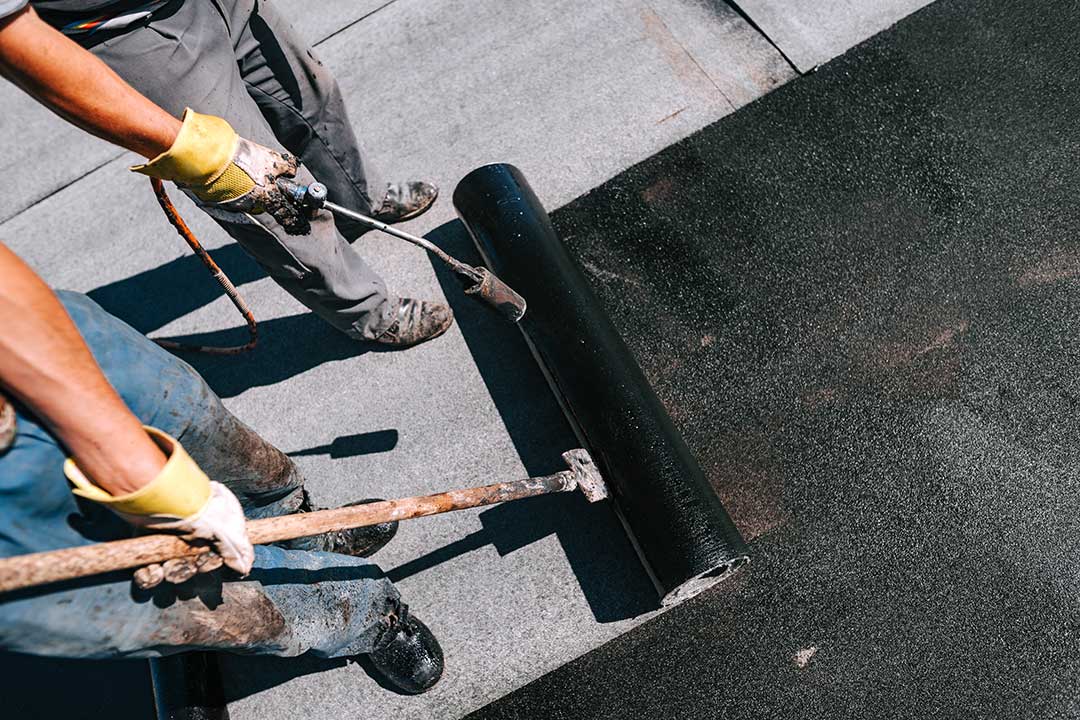
“Cool roof” systems, using highly reflective materials or coatings, are gaining awareness in New York State, though they are more common in large buildings and commercial settings. For single-family homes in Schenectady, a cool roof could be considered during major roof replacements, especially for flat or low-slope roofs, but may not be cost-effective purely for energy savings.
Green roofs (with vegetation installed over a waterproof membrane) offer good insulation but require specialized installation and structural support and are rare on residential homes in this region.
How Do Ice Dams Relate to Energy Efficiency?
Ice dams—ridges of ice that form at roof edges—are a common winter headache for area households. They result from uneven roof temperatures, usually when heat escapes through an under-insulated attic. Warm air melts snow, which slides to the cold eaves and refreezes.
Ice dams lead to roof leaks, water damage, and lost heat. Proper insulation and sealing air leaks are the best defenses. Roof raking after snowfalls may help somewhat, but addressing attic energy loss has the greatest long-term effect.
What Are Simple Ways to Improve Roof-Related Energy Efficiency?
Small improvements can make a noticeable difference for Schenectady residents. Consider these steps:
- Install or upgrade attic insulation to recommended levels (at least R-38 in most homes)
- Look for and seal air leaks around pipes, wiring, and attic hatches
- Maintain or add attic ventilation to promote air movement
- Check for missing, damaged, or curled shingles seasonally
- Remove debris from roof and gutters to prevent water retention and rot
- After heavy snow, use a roof rake to reduce excessive loading and ice dam risk
Most of these actions can be handled by homeowners using care and suitable safety precautions, though insulation or ventilation upgrades may at times require professional assessment.
What Are Common Misconceptions Area Residents Have About Energy-Efficient Roofing?
- Myth: Roof color is all that matters for energy savings—In this region, insulation quality has a far bigger impact than shingle shading.
- Myth: More insulation is always better—Improperly installed insulation or blocked vents can cause more harm than good.
- Myth: “Cool roof” products are necessary for every home—They may provide benefits, but not every house or budget requires them in this climate.
Each home’s situation is unique. Regular maintenance, attention to insulation, and understanding local winters’ demands go a long way to improving comfort and cost control for area households.
