
What Is the Purpose of a Roof Inspection?
A roof inspection is a thorough assessment that helps identify existing issues and potential weaknesses in your roofing system. For area residents, this is especially relevant due to seasonal weather shifts, older housing stock, and occasional heavy snow or storms. The goal is to catch signs of leaks, material deterioration, or structural concerns before they lead to costly repairs or damage inside the home.
In Schenectady, annual or post-storm inspections can be wise because the climate features freeze-thaw cycles and strong winds that put local roofs to the test.
How Do Inspectors Evaluate Your Roof?
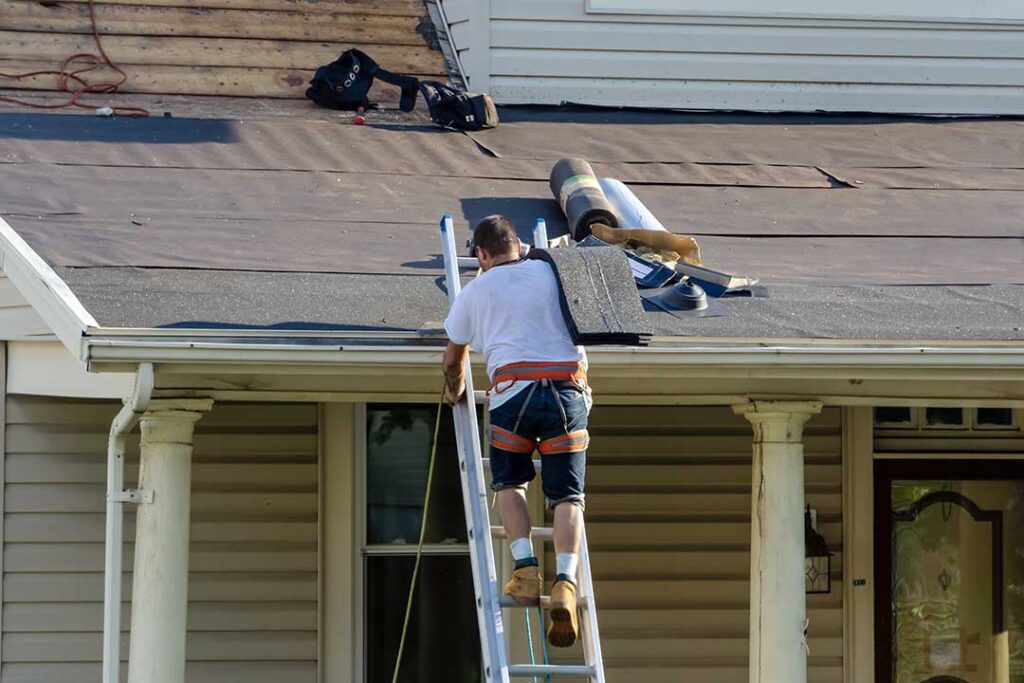
Inspectors use a mix of visual checks and simple tools to examine accessible roof surfaces. They are trained to spot both major faults and subtle signs of trouble that might not be obvious from the ground.
Steps usually include:
- Examining shingles or roofing material for curling, cracking, or missing pieces
- Inspecting flashing (metal strips around chimneys, vents, or skylights) for rust or separation
- Looking for moss, lichen, or algae growth that can trap moisture
- Checking gutters for debris, shingle granules, and blockages
- Assessing roof valleys and low-pitch sections where leaks are more likely
- Walking the roof (if safe) or using binoculars/ladders for hard-to-reach areas
In most homes, the attic and ceiling spaces are also checked for signs of moisture, mold, or daylight entering through the roof structure.
What Happens Inside the Home During an Inspection?
A professional inspection doesn't stop at the exterior. The interior check usually covers the attic, upper walls, and ceilings. The focus is on detecting early indicators of water infiltration or poor ventilation, which can lead to higher energy bills and mold concerns.
Common steps:
- Looking for stains, damp spots, or peeling paint beneath rooflines
- Identifying insulation problems or signs of condensation in attic spaces
- Noting musty smells or visible mold, which point to chronic moisture issues
- Checking for daylight peeking through the roof deck
Homeowners in Schenectady often have older attics with limited insulation or past repairs—meaning small leaks can be missed until they become larger problems.
What Tools or Technology Might Be Used?
While most inspections rely on an expert’s eye and basic hand tools, some inspectors may use additional methods for tough cases:
- Moisture meters: Detect hidden water in wood or drywall
- Infrared cameras: Reveal areas of heat loss or hidden moisture behind surfaces
- Drones: Capture aerial views when climbing on the roof isn’t safe or possible
These tools aren’t always necessary, but they can be helpful for larger homes, steep roofs, or tricky access.
How Long Does a Roof Inspection Usually Take?
The timeframe depends on roof size, complexity, and evidence of recent issues, but most residential inspections in Schenectady last 30 to 90 minutes.
An average single-family home with easy roof access can be fully inspected in under an hour. If there are multiple layers of roofing, complex rooflines, or interior issues to chase down, it may take longer.
What Will the Inspector Tell You Afterward?
After the assessment, you’ll typically receive a detailed summary—sometimes with photos—outlining findings and recommendations. The focus is on giving you a clear understanding of your roof’s status and anything that needs attention, from minor fixes to urgent repairs or ongoing monitoring.
Common outcomes include:
- Confirmation that the roof is in good condition with only minor maintenance needed
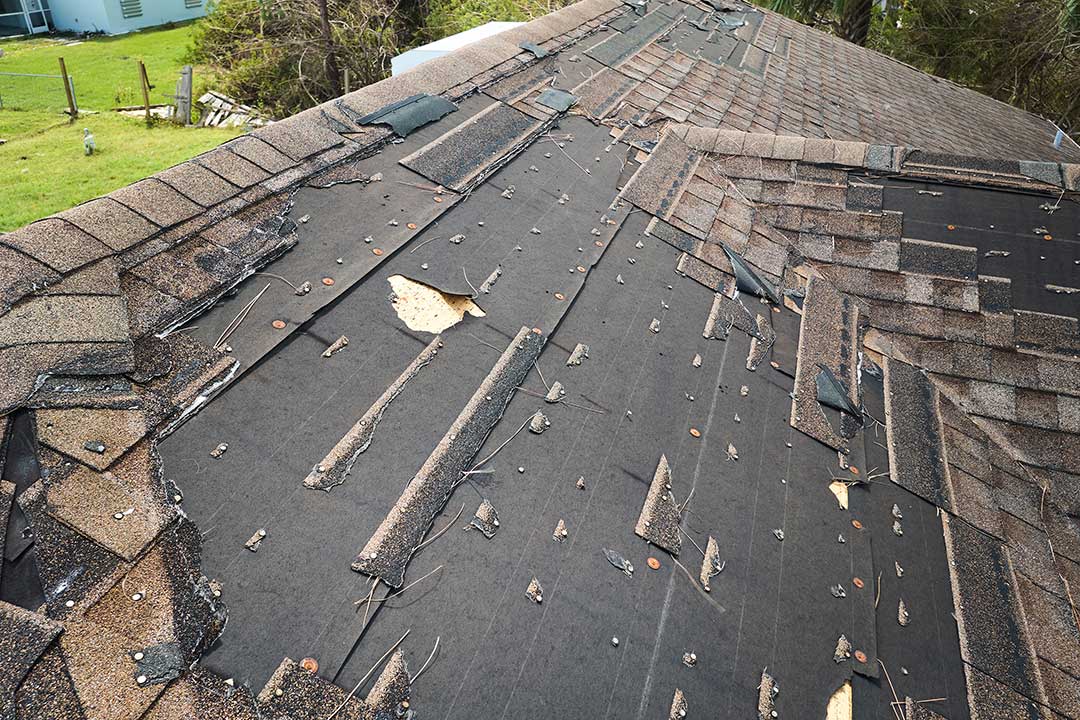
- Identification of active leaks or areas vulnerable to storms or heavy snow
- Prioritization of repairs, distinguishing between urgent issues and minor wear
Local inspectors are also familiar with the area’s typical roofing materials (such as asphalt shingles or slate) and neighborhood code requirements. This helps them offer relevant, practical advice specific to the local housing stock.
Are There Common Issues Found in Area Roofs?
Roof inspections in Schenectady frequently turn up issues tied to the local environment:
- Ice dam formation: Blockages caused by snow buildup and temperature fluctuations can force water under shingles.
- Older or patched roofs: Many homes in the city have layered repairs or original materials still in place, which can mask trouble spots.
- Wind damage: Gusty winter storms sometimes displace shingles or degrade aging flashing.
Inspectors are also on the lookout for clogged or improperly sloped gutters, as poor drainage is a frequent cause of water intrusion in the region.
What Are Misconceptions About Roof Inspections?
Some homeowners wonder if a visual check from the ground is enough or if roof inspections are only needed after a major weather event. However, many of the most costly roof problems—like slow leaks or flashing deterioration—develop gradually and aren’t noticeable without a close look.
It's also a misconception that a new roof guarantees no issues. Installation errors or attic ventilation problems can quickly lead to trouble, even with fresh materials in place.
How Can Homeowners Prepare for a Roof Inspection?
Preparation helps both the inspector and the homeowner get the most from the process. Here’s what typically works best:
- Clear vehicles or equipment from driveways to allow ladder access
- Remove items blocking attic entrances or upper-level spaces
- Make a note of any known leaks, drafts, or recent interior spotting to share during the inspection
Small steps like these lead to a smoother process and more complete assessment.
