

What Causes Mold and Mildew to Form on Roofs in Schenectady, NY?
Roof mold and mildew can take hold when moisture and organic material meet, creating conditions ideal for their growth. In Schenectady, seasonal fluctuations—humid summers, wet autumns, and snowy winters—each play a role in providing moisture that lingers on roofs, especially those shaded by trees or surrounded by overhanging branches.
Roof coverings made of asphalt shingles or wood are particularly prone to mold and mildew growth. On homes where leaves, needles, or other debris collect, that material breaks down and traps moisture, extending damp periods after rain or snow. In areas of the city where older housing stock or mature landscaping is common, these risks can increase.
How Can You Spot Mold or Mildew on Your Roof?
Mold and mildew on roofs generally appear as greenish, black, or dark brown patches. These stains often extend along roof lines, under shingles, or anywhere moisture is slow to dry. Residents sometimes overlook these patches, mistaking them for ordinary dirt, tree sap, or simple roof aging, especially if viewed only from the ground.
Specific signs and differences include:
- *Mildew* is often light gray, white, or powdery, and tends to grow in spread-out patches.
- *Mold* generally appears darker—green, black, or brown—and may look fuzzy, slimy, or show signs of raised, uneven texture.
- Moss can also be confused with mold or mildew; unlike those, moss is usually bright green and plush.
Regular visual inspections from the yard or sidewalk, especially after wet seasons or storms, are one of the most straightforward ways to notice a change. In multi-story homes or homes with gambrel, hip, or steep roof styles common in Schenectady neighborhoods, use binoculars to see potential growth more clearly.
Are Certain Parts of the Roof More Susceptible?
Yes, some roof areas are more likely to harbor growth due to local weather and home design. Mold and mildew thrive in locations that stay damp and get less sun or airflow.
Key risk areas include:
- North-facing slopes, as they dry out more slowly
- Valleys or dips where water collects
- Under overhanging trees or near gutters clogged with debris
- Shady spots behind chimneys, skylights, or dormers
In older parts of Schenectady where homes often have tall shade trees or mature landscaping, sections of roofing under dense canopies may develop mold and mildew more aggressively.
What Are Common Misconceptions About Roof Mold and Mildew?
Some homeowners believe that dark roof stains are only cosmetic or a sign of simple aging, not realizing they may indicate active growth. Another common misconception is that only neglected or poorly maintained roofs develop these problems; in reality, even regularly maintained roofs in the city’s leafy neighborhoods can be affected by seasonal moisture and shade.
Additionally, not all “green stuff” on a roof is the same. Mold, mildew, moss, and algae each have unique characteristics and dangers. Using the wrong cleaning products or methods may address surface staining without eliminating the underlying growth, allowing it to recur.
Why Is Early Identification Important?
Catching mold or mildew early can prevent more extensive damage. These fungi can gradually degrade roofing materials, loosen shingles, and eventually lead to leaks or wood rot in the roof deck. In Schenectady’s climate, lingering roof moisture from melting snow or spring rains can accelerate the growth cycle if not addressed.
Early detection gives homeowners a chance to remove the problem, make minor repairs, and reduce the risk of further spread to other parts of the home.
What Are Practical Steps for Inspection?
Start by visually examining the roof from different angles during daylight hours:
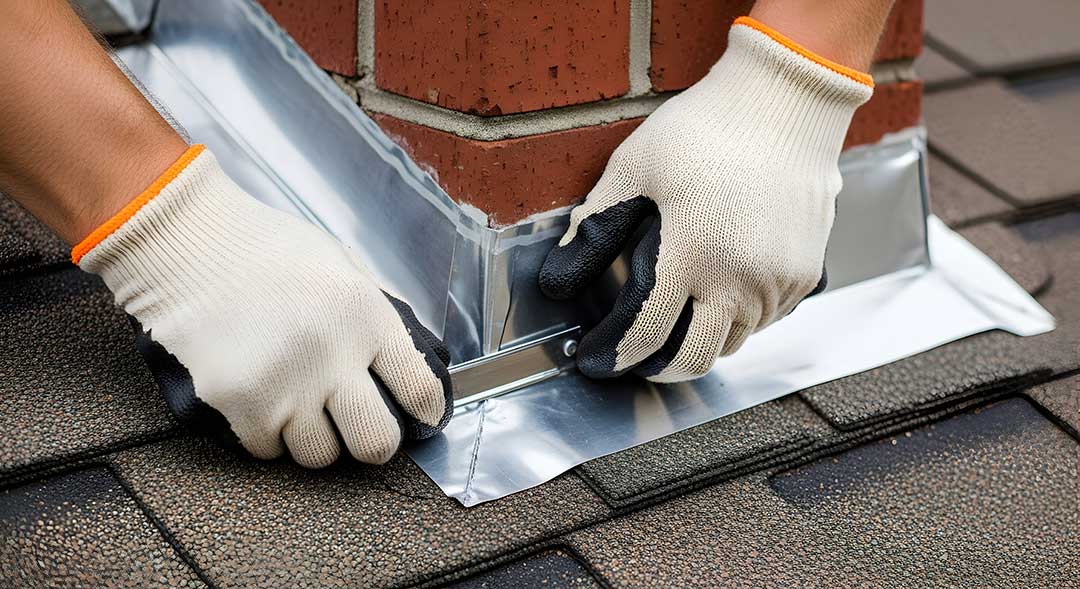
- Look for discoloration, streaks, or fuzzy patches that differ from the normal roof color.
- Inspect after long wet spells, storms, or snowmelt periods.
- Check gutters and downspouts—clogged or overflowing channels can spill water onto shingles, creating damp areas conducive to growth.
If accessible and safe, examine the attic or crawlspace ceilings for signs of water intrusions or musty odors, which may correspond to troubled roof areas above.
What Should You Avoid Doing?
Avoid pressure washing shingles, as this can strip protective granules and dislodge materials—potentially voiding warranties. Be wary of strong chemical cleaners not specifically designed for roofs, as runoff might harm siding, windows, or landscaping. Never attempt to inspect steep or slippery roofs yourself if safety cannot be assured; many homes in the city have roof pitches or multiple stories that make DIY access dangerous, especially in wet or icy conditions.
Can Mold or Mildew Affect Indoor Air Quality?
While mold and mildew growth limited to the exterior surface of a roof generally stays outside, severe infestations or leaks can introduce spores into attic spaces. If left unchecked, these spores may be drawn into living spaces, especially through attic ventilation or ductwork. Homeowners noticing musty smells indoors or unusual allergy symptoms should consider evaluating their roofs as a potential contributing factor.
What Maintenance Habits Can Help Prevent Recurrence?
Preventative care is the most effective way to keep mold and mildew from returning.
- Keep gutters and downspouts clear of blockages to promote proper roof drainage.
- Trim overhanging branches and clear away debris after storms.
- Consider attic ventilation improvements if persistent dampness is an issue.
- After heavy snowfall, ensure meltwater is directed away from eaves.
Regular roof and gutter checks—especially after autumn leaf fall or late spring storms—are valuable habits for area households, given Schenectady’s climate patterns.
