

What Roof Maintenance Tasks Can Homeowners Handle Safely?
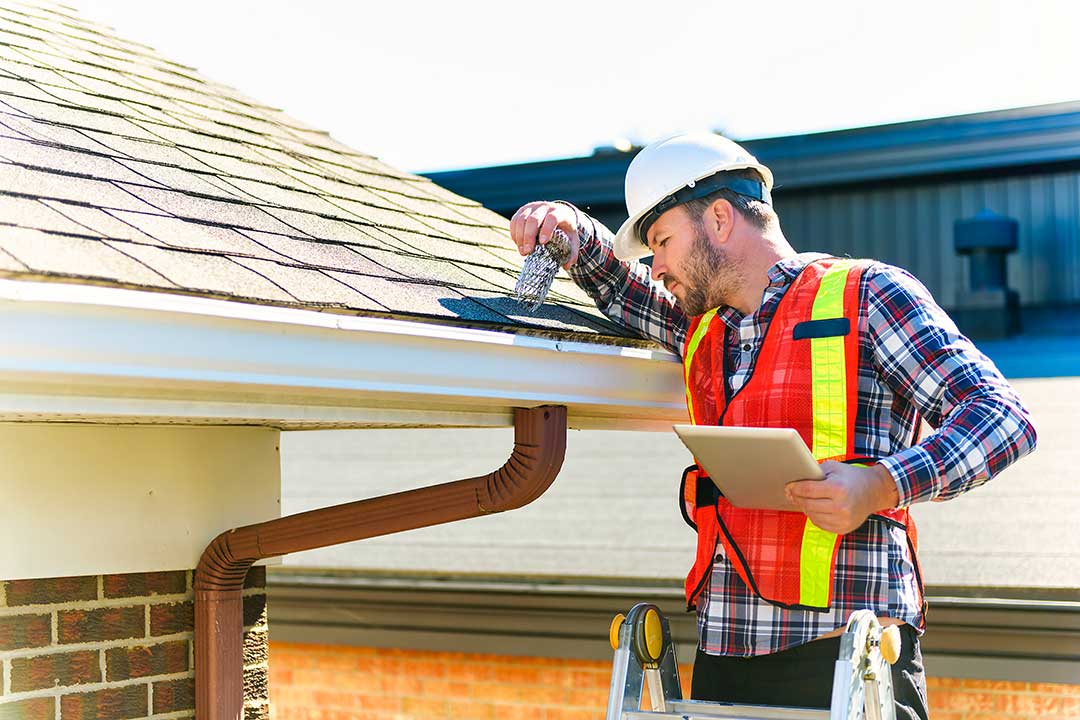
Certain tasks can be tackled by residents without special tools or training, especially on single-story homes. These include visual inspections from the ground or a sturdy ladder, cleaning out gutters, and safely removing minor debris.
- Always use a stable ladder and work with a partner when possible.
- Avoid walking on roofs if possible, especially if surfaces are wet, icy, or steeply pitched; safety should be prioritized.
- Use binoculars to check for damage without climbing on the roof itself.
How Often Should Roof Maintenance Be Done in Schenectady, NY?
Seasonal climate and tree cover in the city mean most homes benefit from inspection and basic upkeep at least twice yearly—typically in spring and fall.
- After heavy storms or high winds, look for missing shingles or sudden debris accumulation.
- Late spring is ideal for checking for winter ice damage, while autumn is prime for clearing leaves and prepping for snow.
What Are the Key Signs of Roof Trouble?
Early detection prevents bigger problems.
- Look for broken, curling, or missing shingles.
- Check for shingle granules in gutters—a sign of aging.
- Watch for peeling paint, sagging gutters, mildew, or dark patches in attic ceilings, which may point to water intrusion.
- Ice dams and large icicles hanging from eaves can signal attic insulation or ventilation issues.
How Should Gutters and Downspouts Be Maintained?
Clear gutters allow water to flow away properly and prevent roof and foundation issues.
- Scoop out leaves and debris at least every fall, and again in spring if trees overhang your home.
- Use a hose to flush the gutter, looking for leak points at seams or cracks.
- Make sure downspouts discharge water at least 3-4 feet from the foundation to prevent basement seepage, which can be common in older Schenectady homes.
- Check gutter fasteners and resecure any loose areas.
Can Moss, Algae, and Tree Debris Damage Roofs?
Yes—these can trap moisture, encourage wood rot, and accelerate wear.
- Moss and algae thrive in shaded areas; gently lift or brush away debris with a soft broom.
- Avoid using power washers, which can damage shingles.
- Overhanging branches should be trimmed back several feet from the roof to reduce shade, falling debris, and animal access.
- For stubborn moss or algae, zinc strips or certain DIY cleaning solutions (using water and mild detergent) are safer than harsh chemicals.
What About Snow and Ice in Winter?
Heavy snow and recurring freeze-thaw cycles can strain rooftops in the area.
- Use a roof rake with a telescoping handle to gently remove heavy snow from the edge of the roof after storms.
- Never chip or chop at ice; this can cause shingle damage.
- If ice dams chronically build up, reevaluate attic insulation and ventilation for possible improvements.
- Clear large icicles cautiously as they can be hazardous when they fall.
Are There Local Restrictions or Guidelines for Roof Maintenance?
City ordinances require that home exteriors, including roofs, are maintained in safe, weatherproof condition. Major repairs or full replacements may require permits, but seasonal maintenance does not.
- Do not deposit debris into city storm drains.
- Consider local wildlife—birds and squirrels may nest in loose fascia or roofing gaps, so inspect for openings before sealing.
What Basic Tools and Supplies Are Needed?
Effective maintenance requires only a few essentials, many of which are found in most households.
- Sturdy ladder
- Work gloves
- Binoculars (for inspections from the ground)
- Gutter scoop or small hand shovel
- Soft brush or broom for debris
- Garden hose
- Roof rake (for winter use)
- Safety harness if attempting tasks on higher or steep roofs (not recommended for most residents)
What Should Be Avoided to Prevent Damage?
Some well-intentioned actions can actually harm roof materials.
- Do not install new shingles over damaged or leaking areas as a shortcut—this conceals problems.
- Power washing can erode protective granules from shingles.
- Never use metal shovels on the roof in winter; use roof-specific rakes instead.
- Avoid walking on wet or mossy surfaces.
Commonly Overlooked Factors for Schenectady Homeowners
Some issues are easy to forget until problems emerge.
- Attic ventilation: Poor airflow increases heat and moisture buildup, promoting ice dams and mold growth.
- Chimneys and flashing: Old or cracked sealant around chimneys and skylights frequently goes unnoticed, leading to leaks.
- Trees: Not just leaves but seeds, twigs, and animal nests can create blockages and gaps in roofs and gutters.
- Storm aftermath: Quick post-storm checks can prevent hidden leaks from worsening over time.
Residents who take time for these small, regular checks often extend the lifespan of their roofs and catch minor issues before they grow—a sensible investment in local home upkeep.
