

Why Is Preparing Your Roof for Winter Essential in Schenectady, NY?
Freezing temperatures, snow accumulation, and ice dams are routine during the colder months in Schenectady, NY. Without preparation, local roofs are vulnerable to leaks, structural strain, and costly repairs. Seasonal weather patterns mean preventive steps can help area households avoid winter emergencies and extend roof lifespan.
Throughout the fall, fluctuating temperatures and early storms can already reveal weaknesses. That’s why residents should consider a thorough check well before heavy snow arrives.
What Are the Most Common Issues Roofs Face During Local Winters?
In this city’s cold, moist climate, roofs most often experience leaks, damaged shingles, and ice dams. Heavy snow loads can also weigh on older or neglected roofs, leading to sagging or even collapse in extreme cases.
Other frequent problems include:
- Gutter clogs caused by late-falling leaves and twigs, leading to water overflow and foundation issues
- Flashing gaps around chimneys and vents, which may widen as temperatures fluctuate
- Moss and algae that thrive in shady, damp spots, loosening shingles when they freeze and thaw
How Can Residents Safely Inspect Their Roofs in the Fall?
Begin with a visual inspection from the ground using binoculars, and scan for cracked, curled, or missing shingles, rust or gaps in flashing, and sagging along the ridgeline. This approach avoids risk, as walking on a roof can be hazardous, especially in damp or frosty conditions common in the city’s fall months.
For a closer look, use a sturdy ladder on level ground, ensuring another person is present for safety. Avoid climbing on roofs if they appear icy, wet, or unstable, or if the roof's pitch is steep.
What Specific Maintenance Tasks Help Prevent Winter Damage?
Completing a few targeted tasks each autumn dramatically reduces winter trouble:
*Clean gutters and downspouts:*
Remove leaves, pine needles, and other debris, as clogged systems prevent melting snow from draining away. Overflow can damage both the roof edge and siding.
*Trim nearby branches:*
Snow- and ice-laden limbs easily snap during windy storms. Prune any limbs that extend over or near the roof to prevent sudden damage.
*Inspect and repair flashing:*
Seal or replace any cracked or loose flashing around chimneys, vent pipes, or skylights – entry points for melting snow.
*Address moss or algae:*
Brush away light growths carefully. Persistent or deep-rooted moss may require gentle roof-safe treatments before freezing weather locks it in place.
How Can Residents Minimize Ice Dam Formation?
Ice dams occur when warm air escapes into the attic, melting snow on the roof, which then refreezes at the colder eaves. These block further melting snow from draining, sometimes forcing water up and under shingles.
To limit this:
- Ensure attic insulation is intact and even, especially above outer walls
- Seal attic air leaks found around light fixtures or hatchways
- Keep attic ventilation clear so cold air flows and heat buildup is reduced
- Use a roof rake to clear snow from the lower three to four feet of the roof after every storm, working from the ground
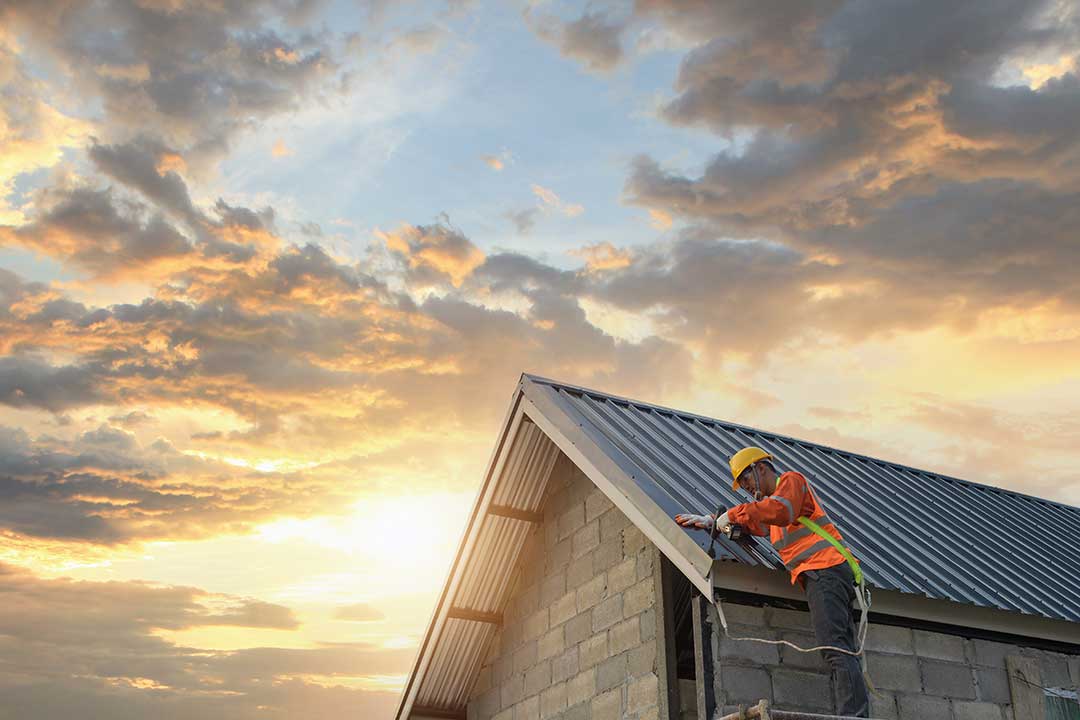
How Does Weather in This Area Affect Roof Preparation?
Schenectady’s combination of varied precipitation and temperature swings requires a heavier focus on durability and water management compared to milder regions. Warm spells can cause rapid snowmelt followed by deep freezes, increasing the risk of leaks and split shingles.
Heavy wet snow, rather than dry powder, is especially stressful for older housing stock. Residents should check support beams in the attic for cracks or bowing as part of seasonal preparation.
Are There Maintenance Steps Often Overlooked by Homeowners?
Some homeowners focus on shingles but overlook these critical points:
- Clearing attic vents of insulation or debris prevents ice buildup and roof rot
- Checking interior ceilings for water stains reveals slow leaks before they cause major mold issues
- Examining caulking around roof penetrations—like exhaust pipes and satellite mounts—can stop seepage not visible from outside
Additionally, after the first snowfall, observe the pattern of snow melting on the roof. Uneven patches can indicate insulation gaps or heat leaks worth addressing.
When Should a Roofing Professional Be Consulted?
While most basic inspections and gutter cleaning can be safely handled by homeowners, severe roof sagging, large leaks during snowmelt, or visible structural damage should always prompt a call to a qualified professional. Removal of heavy snow by hand or tools beyond a roof rake can be unsafe without the proper training.
If ice dams result in water infiltration, residents may need guidance on both repairs and underlying attic insulation issues to prevent recurrence.
What Local Regulations or Codes Should Residents Be Aware Of?
Building codes in this area require roofs to be able to bear significant snow loads, but older homes may not meet current standards. Homeowners planning major repairs or roof replacement should confirm code requirements through city or county building departments before work begins.
Shoveling snow from sidewalks and driveways adjacent to the home is typically the resident’s responsibility as well and helps reduce slip hazards as thawing cycles begin.
