

How Can Schenectady, NY Residents Tell if Their Roof Needs Hurricane Prep?
Strong storms may seem less frequent in Schenectady, NY than along the coast, but the risk of wind and rain damage during hurricane season is still real. The best starting point is a visual inspection. Check for cracked, curling, or missing shingles, exposed nail heads, loose flashing around chimneys and vent pipes, and large amounts of moss or debris. These are all signs your roof could be vulnerable to wind-driven rain or even uplift from severe gusts.
Pay close attention to areas where different parts of the roof meet or where previous repairs were made. In older homes common throughout the city, these transition points can weaken after prolonged exposure to freeze-thaw cycles. Take extra care inspecting shed roofs and additions, as construction standards may vary.
Why Is Debris Removal Crucial Before Storms Hit?
Clearing branches, leaves, and other debris is a straightforward step that makes a tangible difference. Blocked gutters and drains often cause water backup, which can send rain under shingles or behind fascia boards during heavy downpours. In the dense neighborhoods of Schenectady, nearby trees compound this risk, as branches and seeds collect in high volumes.
Removing overhanging limbs with safe, proper equipment reduces both the chance of impact damage from falling branches and the volume of organic debris on the roof. Gutters should be free-flowing, secured to the house, and have unobstructed downspouts. Locally, it’s common for ice dams to highlight problem areas in winter; the same areas can be vulnerable to clogged drainage in summer storms.
What Materials Are Most at Risk During High Winds?
Roof edges, loose shingles, tiles, and lightweight materials are most prone to wind-related problems in local storm conditions. Wind often finds its way under objects that aren’t fully attached, starting at the roof’s edge. This can quickly transform a small flaw into extensive damage.
Soffit panels and ridge vents can also be dislodged when wind pressures increase suddenly. Chimneys and skylights should be checked for cracked seals or deteriorated mortar, which can provide a pathway for water intrusion if lifted or loosened by winds. In traditional masonry homes, flashing around brickwork is a common weak spot.
Are There Simple Homeowner Actions to Increase Storm Readiness?
Homeowners can take several practical steps to minimize roof risk ahead of hurricane season:
- Secure loose items in the yard that could strike the roof in strong winds.
- Use binoculars to scan for lifted or incomplete shingle installations.
- Apply roofing cement to small, accessible cracks or nail pops as a temporary measure.
- Ensure attic spaces are dry and insulated, and that vents are free of obstructions to reduce moisture buildup underneath the roofing layer.
Check that all access hatches and attic doors close securely, as fluctuating air pressure during a storm can push them open and increase roof vulnerability. For larger repairs or where heights are involved, always prioritize safety and consider enlisting experienced help.
How Do Local Weather Patterns Affect Roof Preparation?
In Schenectady, rapid temperature shifts, sudden downpours, and high summer humidity impact roofing differently than in coastal regions. Roofing materials here expand and contract more frequently due to freeze-thaw cycles, which can loosen nails and widen existing cracks.
Heavy tree cover typical of local neighborhoods increases shade, leading to moss growth that holds moisture on the roof surface. Persistent dampness can undermine shingle adhesion and speed up wear, so treating moss and keeping the roof as dry as possible is key. Households with flat or low-slope roofs, more common in multi-family housing, need especially vigilant drainage checks, as pooling water is an ongoing concern.
What Steps Minimize Water Intrusion During a Hurricane?
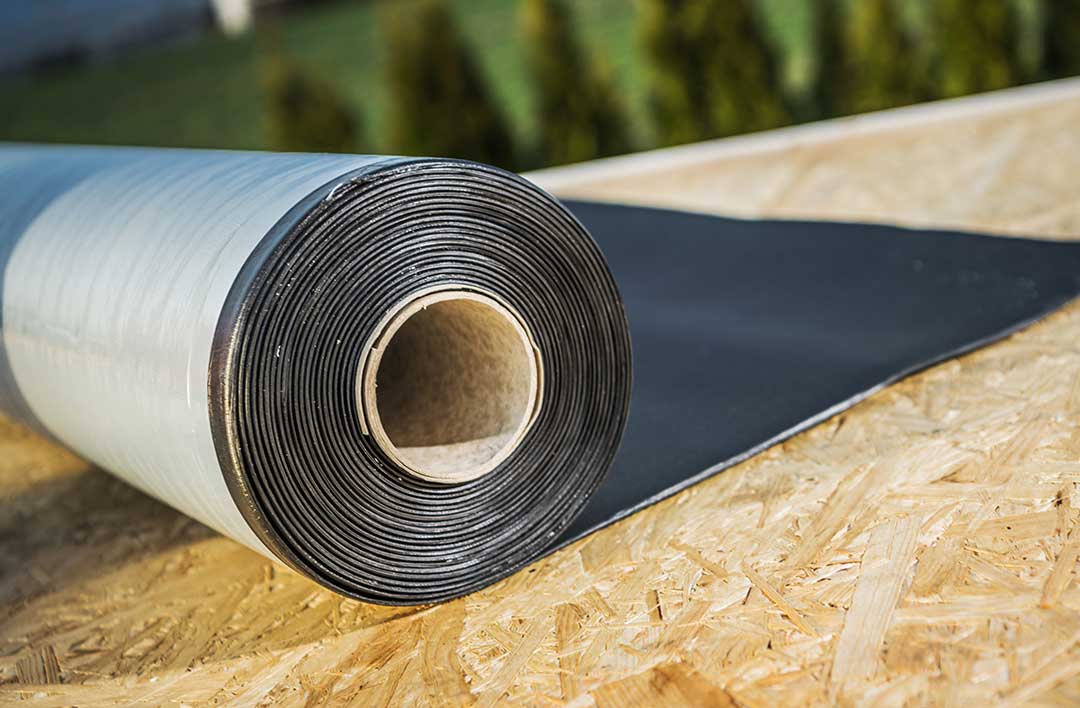
Water leakage is a primary concern, not just from damaged shingles but from wind-driven rain entering at seams and edges. Residents can help prevent this by checking and resealing flashing, especially around roof-to-wall connections, chimneys, and any rooftop mechanicals.
Inspect vent pipes, satellite mounts, or solar panels for old sealant or worn gaskets. Applying compatible roof sealant—a product rated for local temperatures—can serve as interim protection until a full repair is possible. Indoors, monitor ceilings for moisture spots during heavy rain as an early sign of intrusion.
Are There Local Myths or Common Mistakes About Roof Storm Prep?
A prevalent misconception in the community is that all new roofs are stormproof or that damage isn’t likely this far inland. Even newer installations can be compromised by improper fastening, poor attic ventilation, or unaddressed manufacturer recalls on materials.
Another common issue is relying solely on insurance to cover storm-related repairs. Most policies require proof of regular maintenance to pay claims. Document your roof’s condition with photos or written notes ahead of hurricane season to make verification easier in the event of damage.
Finally, avoid using tarps or plastic sheeting as a permanent fix; they’re only for temporary emergency use until a proper repair can be made.
How Does Local Building Code Factor Into Storm Preparation?
Building codes influence materials and installation methods, especially after harsh weather events. In Schenectady, roofs must be installed to withstand typical regional wind loads and precipitation levels, but codes may not match those for hurricane-prone coastal zones.
Check the city’s current guidelines via the local code office or public safety announcements before attempting major upgrades. Newer code-compliant underlayments, nails, and tie-downs can offer additional protection, especially for older homes undergoing renovation.
What If You Discover Problems During Your Inspection?
If initial checks reveal unsafe access, structural sagging, or evidence of past fire or electrical issues near the roofline, it’s best to avoid climbing or attempting fixes yourself. In these cases, safety and local code compliance come first, so proceed with extreme caution or seek advice from public safety officials.
Other small issues—like clearing gutters, trimming small branches, or applying temporary sealant to minor cracks—are manageable for most residents willing to work carefully and use recommended tools.
By addressing visible issues, understanding local environmental factors, and using smart preparation steps, households in Schenectady reduce their risk of storm-related roof trouble each hurricane season.
