

What Does a Roof Warranty Actually Cover?
A roof warranty typically provides a guarantee from the manufacturer or the installer about how long the roof should last and what’s included if problems arise. Most commonly, warranties address defects in materials, installation issues, or sometimes both, but they rarely cover everything homeowners might expect.
It’s common to see two types:
- Manufacturer’s warranty: Covers defects in the roofing materials themselves.
- Workmanship warranty: Issued by the installer, covering errors in the installation process.
For example, if shingles deteriorate far earlier than expected because of a manufacturing issue, the manufacturer’s warranty may provide replacement materials. However, if those shingles were installed improperly and that caused leaks, only the workmanship warranty would address the cost of fixing installation-related damage. Many local area homes built in the 1980s and 1990s feature roofs with standard manufacturer warranties, but the specifics can vary.
Are Warranties Relevant in the Local Climate?
Yes, warranties are especially relevant in Schenectady due to harsh winter conditions, freeze-thaw cycles, and the potential for heavy snow loads. These factors can stress roofing systems beyond what’s typical in milder regions.
It’s important to check whether a warranty excludes damage from ice dams, rapid snowmelt, or wind-driven rain—issues that local residents frequently encounter during winter and transition seasons.
What Is Usually Not Covered by Roof Warranties?
Roof warranties rarely cover everything that can go wrong. Common exclusions include:
- Storm damage, hail, or fallen tree branches
- Leaks due to clogged gutters or poorly maintained flashing
- Interior damage from leaks, unless expressly stated
- Issues caused by walking on the roof or installing satellite dishes
Local households sometimes assume a warranty covers storm-related leaks from Nor’easters or roof deck damage from ice. However, these typically fall under home insurance policies, not roofing warranties.
How Long Do Warranties Last, and When Do They Begin?
The lifespan of a roof warranty varies. Most standard material warranties last 20 to 30 years, while workmanship coverage often ranges from 1 to 10 years, depending on the installer’s policy.
Coverage typically starts from the date of installation—not the purchase date—and may require registration or proof of installation. If a roof replacement is planned, homeowners should keep original paperwork and installation documentation, as this is frequently required to make a warranty claim.
What Voids a Roof Warranty?
A roof warranty can be voided if certain conditions or maintenance responsibilities are not met. These might include:
- Failing to ventilate the attic properly, leading to moisture buildup
- Using unapproved cleaning methods or materials, such as power washing shingles
- Mixing roofing materials (for example, replacing damaged shingles with a different brand)
- Not addressing minor roof repairs, such as fixing flashing or sealing vents, in a timely manner
In parts of Schenectady where homes have older ventilation systems or mixed-material repairs, these issues can inadvertently void warranties. Keeping records of all work and using approved products helps safeguard coverage.
Can Warranties Be Transferred to New Owners?
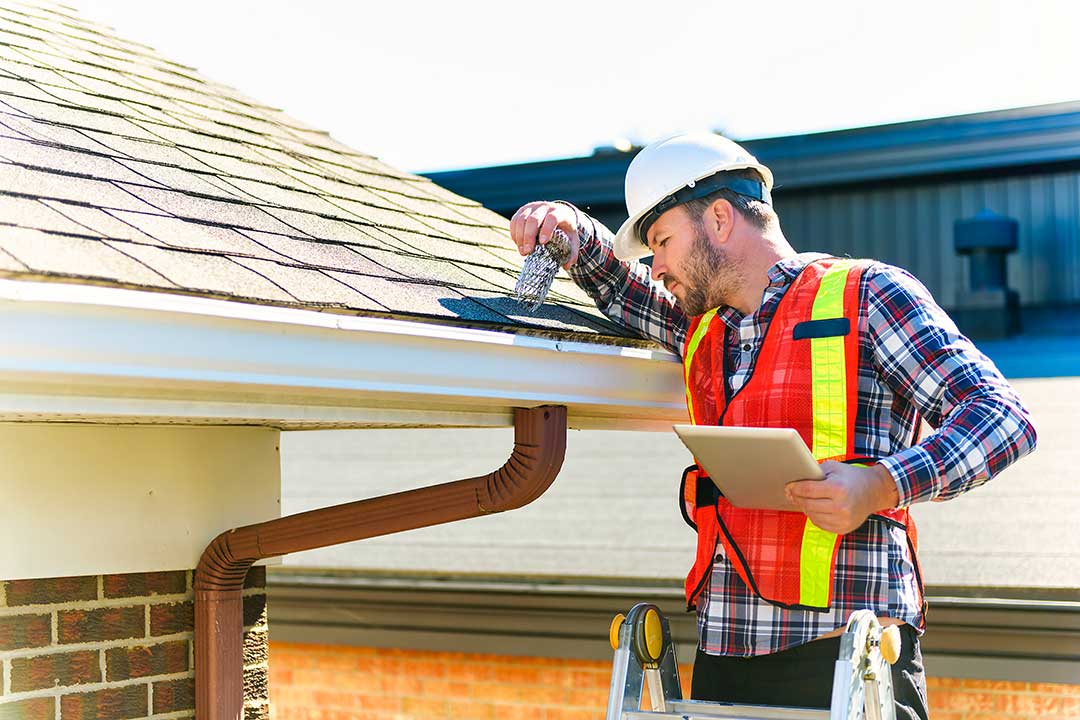
Some warranties are transferable, but not all. Transfer terms generally differ:
- Most manufacturer warranties allow one transfer, if done within a defined time (often 30–60 days after sale).
- Workmanship warranties are less commonly transferrable unless there’s a specific arrangement.
If selling a home, area residents often forget to review or arrange for warranty transfer, which may require notifying the manufacturer and possibly a transfer fee. Without this step, future claims could be denied, even if paperwork exists.
What Should Homeowners Do If They Suspect a Defect?
If a roof problem arises and a warranty might apply, the homeowner should:
1. Review warranty documents for specifics about eligible defects and the claim process.
2. Gather documentation, including photos, receipts, and installation details.
3. Follow the step-by-step instructions provided, which often include written notice within a certain timeline.
4. Avoid making non-emergency repairs until the warranty provider offers guidance.
Emergency repairs to prevent further interior damage might be necessary in severe weather, but non-urgent repairs should wait for warranty approval. Keeping records of all roof inspections or repairs supports the claim process and can be particularly crucial for older or multi-family homes in the area.
How Do Regular Inspections Affect Warranty Validity?
Many warranties require periodic inspections by a qualified individual. Skipping inspections or repairs may void coverage, especially if a minor issue goes unchecked and leads to larger damage.
Local climate challenges, like ice dams and freeze cycles, make regular checks in spring and fall wise—both to catch developing problems and to maintain warranty eligibility.
Common Misconceptions About Roof Warranties
Residents sometimes misunderstand what these documents guarantee. Common misconceptions include:
- Belief that all leaks are covered, regardless of cause
- Expectation that full roof replacement is provided if any part fails
- Assuming hail, high winds, or snow loads are always included
In truth, most warranties only replace defective materials, not pay for related damages or labor unless specifically stated. Carefully reading the documentation—and asking clarifying questions before installation—helps set reasonable expectations.
