
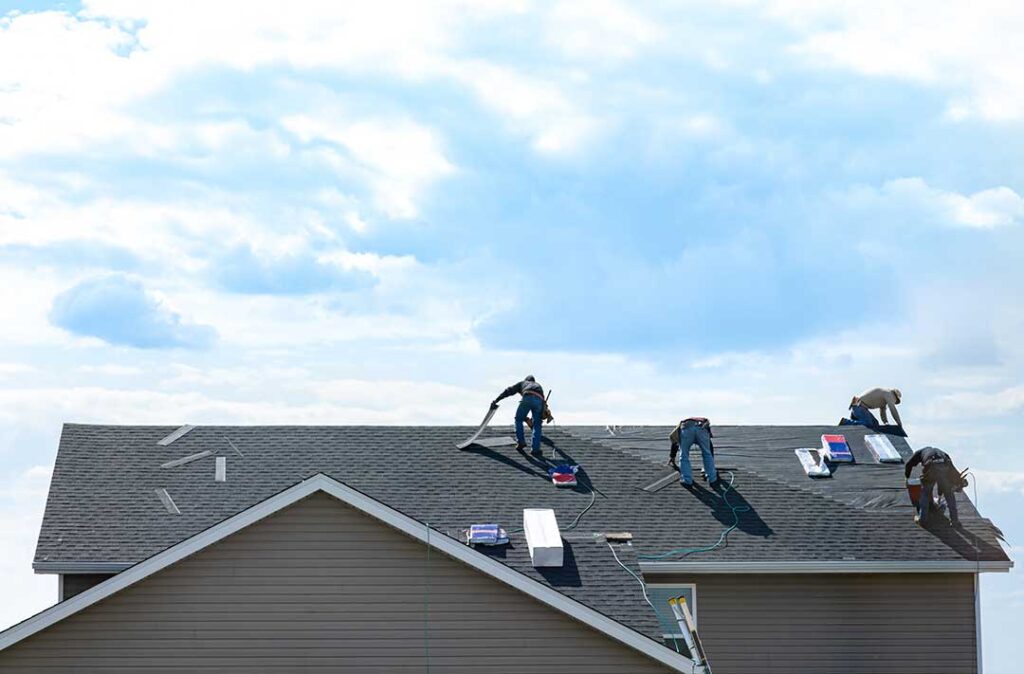
What Signs Point to a Failing Roof?
Roofs in Schenectady, NY, experience substantial wear over the years, thanks to changing seasons and regional weather extremes. The most direct way to know if replacement is needed is by looking for specific signs of deterioration.
Some visible red flags include:
- Shingles that are cracked, curling, or missing
- Roof leaks or water stains on ceilings, especially after heavy rain or melting snow
- Granules from shingles collecting in gutters or at downspouts
- Sagging areas along the roofline
- Daylight visible through roof boards in the attic
Many area homes have roofs with asphalt shingles, which typically last 15-25 years under local conditions. Frequent ice dams, heavy snow loads, and the freeze-thaw cycle can shorten this lifespan.
How Does Schenectady’s Weather Affect Roof Lifespan?
Winter weather, ice, and shifting temperatures common in Schenectady can speed up roof deterioration. Prolonged snow cover can cause ice dams, allowing water to seep beneath shingles, while sudden thaws create repeated expansion and contraction of roofing materials.
Direct sunlight and hot, humid summers also cause roof shingles to age faster, leading to cracking and blistering. In the city, older homes may face additional wear from standing debris (like leaves and maple seeds) or from trees overhanging the roof, which can trap moisture and encourage moss growth.
Are All Leaks a Sign Replacement Is Needed?
Not every leak means a total roof is at the end of its life. Isolated issues, such as loose flashing around chimneys or single damaged shingles, can sometimes be fixed without a full replacement. However, if leaks are frequent, show up in multiple places, or have caused visible damage in attic spaces, this usually points to widespread issues—such as deteriorated underlayment or widespread shingle failure.
Residents sometimes mistake ceiling stains from attic condensation or plumbing issues for roof leaks. Knowing the source helps determine whether repairs or replacement are required.
How Old Is Too Old for a Roof in the Community?
The expected lifespan varies by roofing type:
- Asphalt shingles: Generally, 15-25 years, with shorter lifespans after multiple severe winters or poor attic ventilation.
- Metal roofing: Often lasts 40 years or more, but still needs monitoring for corrosion in joints and seams.
- Wood shake: Subject to rot and mildew in damp climates, potential lifespan of 20-30 years but often less with poor maintenance.
If a roof is past its expected lifespan, even absent major visible signs, area households should anticipate replacement to prevent sudden failures during storms or snow loads.
What Are Commonly Overlooked Warning Signs?
Some warning signs are easy to miss but often signal deeper trouble:
- Persistent ice dams forming each winter (may indicate poor attic insulation or hidden roof deterioration)
- Decay around roof vents and skylights
- Soft, spongy spots felt when walking on the roof deck
- Attic mold or rotten wood, which can result from long-term moisture intrusion
Homeowners sometimes focus only on missing shingles or visible holes, missing subtle hints like excess humidity in the attic or rising energy bills, which can result from roof system breakdown.
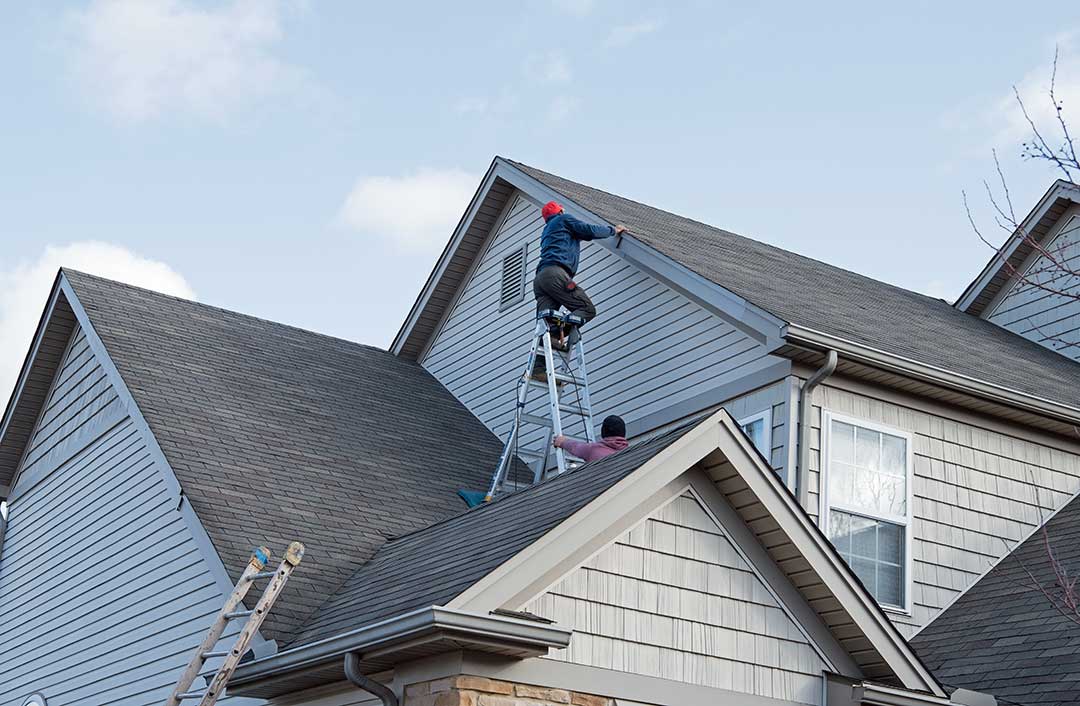
Is It Safe to Delay Roof Replacement?
Delaying replacement can increase the risk of water damage to structural wood, insulation, and interior ceilings or walls. In Schenectady, this risk is heightened by the possibility of a heavy wet snow or a wind-driven rainstorm, both of which are common. Wood rot, mold growth, or pests entering through soft spots are other possible results.
More extensive (and expensive) damage often results from postponement, especially for older homes in tree-lined neighborhoods where roofs can remain damp for days after a storm.
What Mistakes Do Residents Make When Deciding on Roof Replacement?
Some local residents wait until visible interior damage appears before considering roof work. By then, multiple layers of roofing and the underlying structure may already be compromised.
Common misconceptions include:
- Believing that only visible exterior problems (like missing shingles) mean replacement is needed
- Assuming all leaks are caused by obvious punctures or isolated flashing failures
- Underestimating the effect of poor attic ventilation, which is especially crucial in homes with steep roofs or gabled designs
Regularly checking attic spaces and being attentive during seasonal changes can help area homeowners avoid these mistakes.
What Local Factors Should Influence the Decision?
Neighborhood context also matters. In Schenectady, roofs are often shaded by mature trees, which can extend moisture exposure and encourage moss or algae. Many homes were built decades ago using materials or installation methods no longer in use, which may translate to shorter lifespans or unique replacement needs.
Houses near busier roads may experience more airborne particulate buildup on their roofs, while those in quieter, wooded pockets might see more direct leaf litter or animal activity.
For historical homes, original materials or unique architectural details may complicate the process and prompt early planning.
Can Maintenance Prevent Early Replacement?
Routine maintenance—like clearing gutters, trimming back tree branches, and removing moss—extends the effective life of many roofs in the city. However, if routine upkeep consistently reveals new problems each season, it’s usually a sign the roof is nearing the end of its safe, protective life.
Small repairs address immediate issues, but a patchwork approach is less effective as the roof ages overall.
Regular self-checks and seasonal roof assessments are particularly valuable in Schenectady’s climate, helping homeowners make informed decisions and avoid being caught off guard by sudden failures.
