
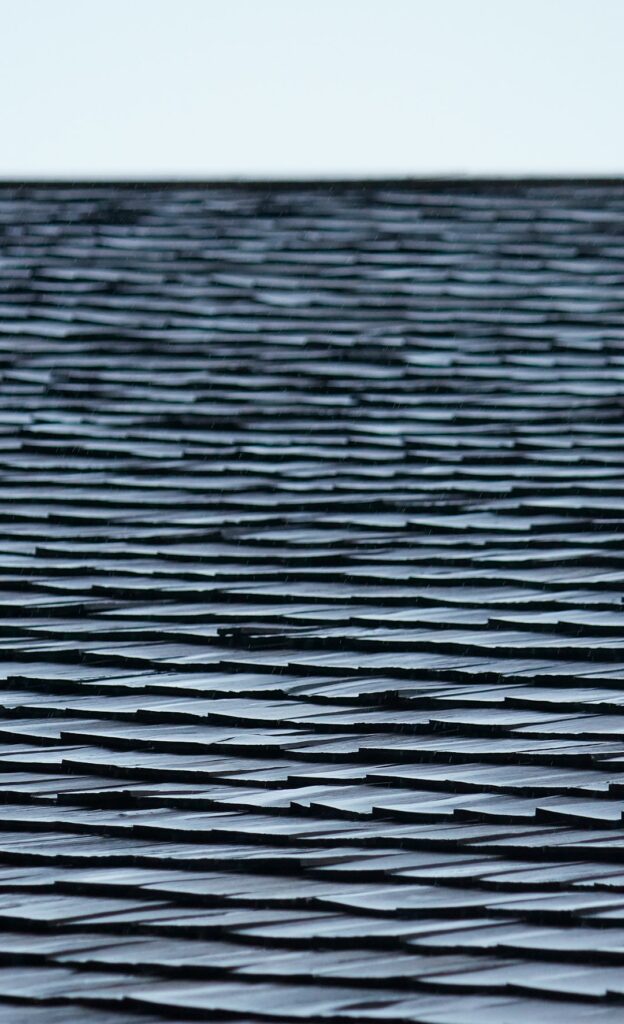
Roof damage is not caused only by wind, snow, and falling branches. Sun exposure also changes roofing materials over time, especially on slopes that face the strongest afternoon light. In Schenectady, the effects of ultraviolet radiation become more noticeable when roofs also experience freeze-thaw cycles, snow cover, spring moisture, and wide seasonal temperature changes.
Understanding how sunlight affects roofing can help residents recognize normal aging, spot developing problems, and avoid treating every dark streak or color change as an emergency.
What does sunlight do to a roof?
Sunlight gradually breaks down roofing materials through ultraviolet radiation and repeated heating and cooling. The process is usually slow, but it can shorten the useful life of a roof when other problems are present.
As roofing surfaces heat during the day, they expand slightly. After sunset, they cool and contract. This movement happens repeatedly throughout the year. Over time, it can contribute to:
- Loss of flexibility in asphalt shingles
- Fading or uneven color
- Cracking around exposed surfaces
- Drying and shrinking of roofing sealants
- Weakening of protective surface granules
- Faster aging on south- and west-facing slopes
Sun exposure rarely causes a roof to fail by itself. More often, it gradually reduces the material’s ability to resist water, wind, ice, and temperature changes.
Which parts of a roof receive the most sun?
Roof slopes do not all age at the same rate. In the Northern Hemisphere, south-facing slopes generally receive the most direct sunlight over the course of a year. West-facing slopes may also experience strong heat in the afternoon, when outdoor temperatures are already elevated.
A roof may show uneven aging when:
- One slope faces open sky while another is shaded by trees
- Nearby buildings block morning or afternoon light
- Dormers, chimneys, or roof sections create different exposure patterns
- Snow melts sooner on one side than the other
- A roof has different installation dates or replacement sections
Uneven color does not automatically mean that one section is failing. However, if the sunniest slope also has curling, exposed underlayment, missing granules, or brittle shingles, sunlight may be accelerating a broader maintenance issue.
How does ultraviolet exposure affect asphalt shingles?
Ultraviolet radiation can cause asphalt shingles to lose some of the oils and flexibility that help them remain resilient. As shingles age, they may become harder and more brittle. This makes them less able to tolerate foot traffic, strong wind, impact, and repeated expansion and contraction.
The mineral granules embedded in the shingle surface provide protection from sunlight. They also help shield the asphalt layer beneath. When granules loosen or wash into gutters, the underlying material becomes more exposed.
Common signs of sun-related shingle aging include:
- Faded or inconsistent coloring
- Small cracks along the shingle surface
- Curled or lifted edges
- Bald spots where granules are missing
- Excessive granules in gutters or at downspout outlets
- Shingles that feel unusually stiff or brittle
A few loose granules are common after installation and during ordinary aging. A large or increasing amount of granule loss deserves closer attention, particularly when it appears alongside cracks or exposed darker areas.
Does sun exposure cause roof leaks?
Sun exposure can contribute to leaks, but it is not usually the only cause. A weakened shingle may become more vulnerable to wind lifting, ice damage, or water entering through a crack. Heat can also dry out or shrink sealants around flashing, vents, skylights, and other roof penetrations.
Leaks may first appear indoors as:
- Water stains on ceilings or upper walls
- Peeling paint
- Damp insulation
- Musty odors in an attic
- Wet roof framing
- Drips that occur only during certain wind directions
The location of an interior stain may not match the exact location of the roof opening. Water can travel along sheathing, rafters, insulation, or other building materials before becoming visible. A small ceiling mark should not be assumed to represent the full extent of the problem.
Why can sun and snow create problems together?
Sunlight can warm a roof surface enough to melt snow unevenly. The melted water may run toward colder eaves, gutters, and roof edges, where it can refreeze. This process can contribute to ice buildup and restrict drainage.
The concern is not simply that the roof receives sunlight. It is that different parts of the roof may be at different temperatures at the same time. A sunny upper slope can shed meltwater while a shaded edge remains frozen.
This pattern may contribute to:
- Water backing up beneath shingles
- Leaks near eaves and wall intersections
- Staining around attic insulation
- Distorted gutters or downspouts
- Repeated ice buildup in the same areas

Proper attic insulation, air sealing, and ventilation can help reduce uneven roof temperatures, although these systems must be considered together. Adding ventilation without addressing air leakage from the living space can create disappointing results.
Do dark shingles absorb more heat?
Dark-colored roofing generally becomes hotter in direct sunlight than light-colored roofing. That does not mean dark shingles are automatically unsuitable. Roofing systems are designed to operate under normal outdoor temperature changes, and color is only one factor in roof performance.
Heat exposure also depends on:
- Roof pitch
- Attic insulation
- Attic ventilation
- Amount of shade
- Roof orientation
- Material quality and age
- Local weather patterns
- Whether the roof has nearby heat-producing equipment or obstructions
A dark roof may remain serviceable for many years if the entire roofing system is properly installed and ventilated. Conversely, a light roof can still age prematurely if it has poor drainage, inadequate flashing, or persistent moisture problems.
Can trees protect a roof from sunlight?
Trees can reduce direct solar heating and may slow fading on shaded roof sections. Shade is not an unqualified benefit, however. Overhanging branches can scrape shingles, drop leaves and twigs, block gutters, and keep roof surfaces damp after rain or snow.
Dense shade may also encourage moss or algae growth where moisture remains trapped. These growths are not caused by sunlight itself, but the lack of drying can make them more likely.
A balanced approach is useful: keep branches from rubbing against the roof or obstructing drainage while recognizing that some shade can reduce heat exposure.
How can residents monitor sun-related roof wear?
A seasonal visual inspection from the ground can reveal changes without requiring anyone to walk on the roof. Binoculars can help with higher sections.
Look for:
- A slope that is fading faster than the rest
- Shingles with raised, curled, or cracked edges
- Bare patches or unusual dark areas
- Loose flashing around vents and chimneys
- Sagging gutters or heavy granule deposits
- Stains or dampness visible in the attic
- Daylight entering through the roof deck
Roof surfaces can be slippery, brittle, or structurally unsafe, particularly after snow, rain, or long-term deterioration. Walking on an aging roof can cause additional damage and create a fall hazard. Conditions involving active leaks, exposed underlayment, structural sagging, or suspected storm damage warrant evaluation by someone qualified to work safely at roof height.
Sun-related aging is gradual, but it should not be ignored. A roof that receives strong afternoon light may need closer observation than a shaded slope, especially after several seasons of snow, ice, wind, and temperature swings. Tracking visible changes over time provides a clearer picture than judging the roof by color alone.
